Explore
Trade Show Exhibit Rentals by Industry in Las Vegas
We tailor exhibits to how your industry actually sells. Explore industry-specific design approaches.
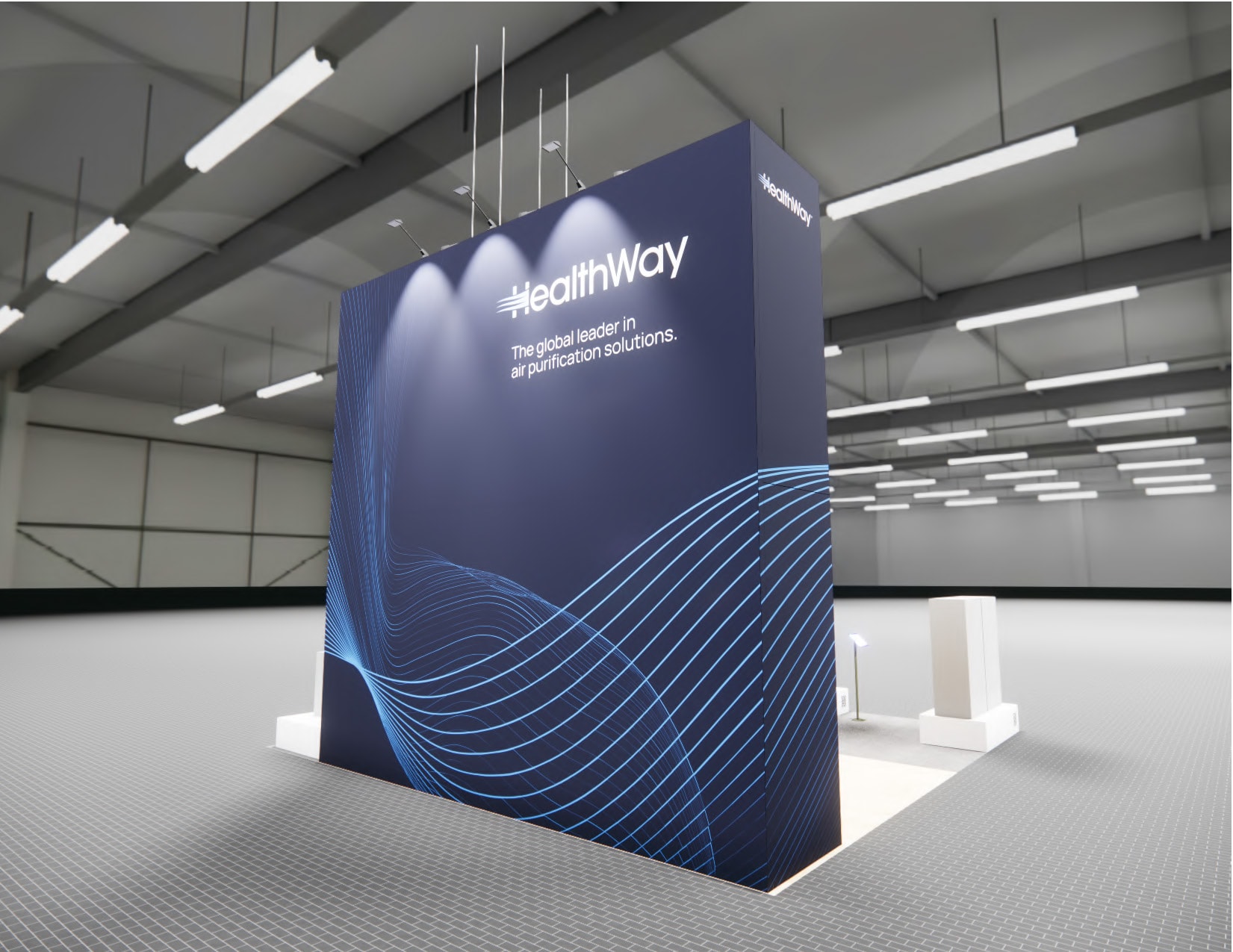
Healthcare
Hospitals, medical device makers, and health systems
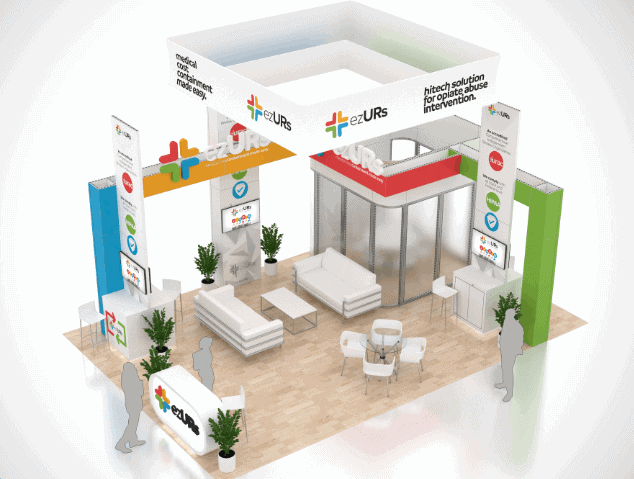
Technology
SaaS, hardware, semiconductors, and IT brands
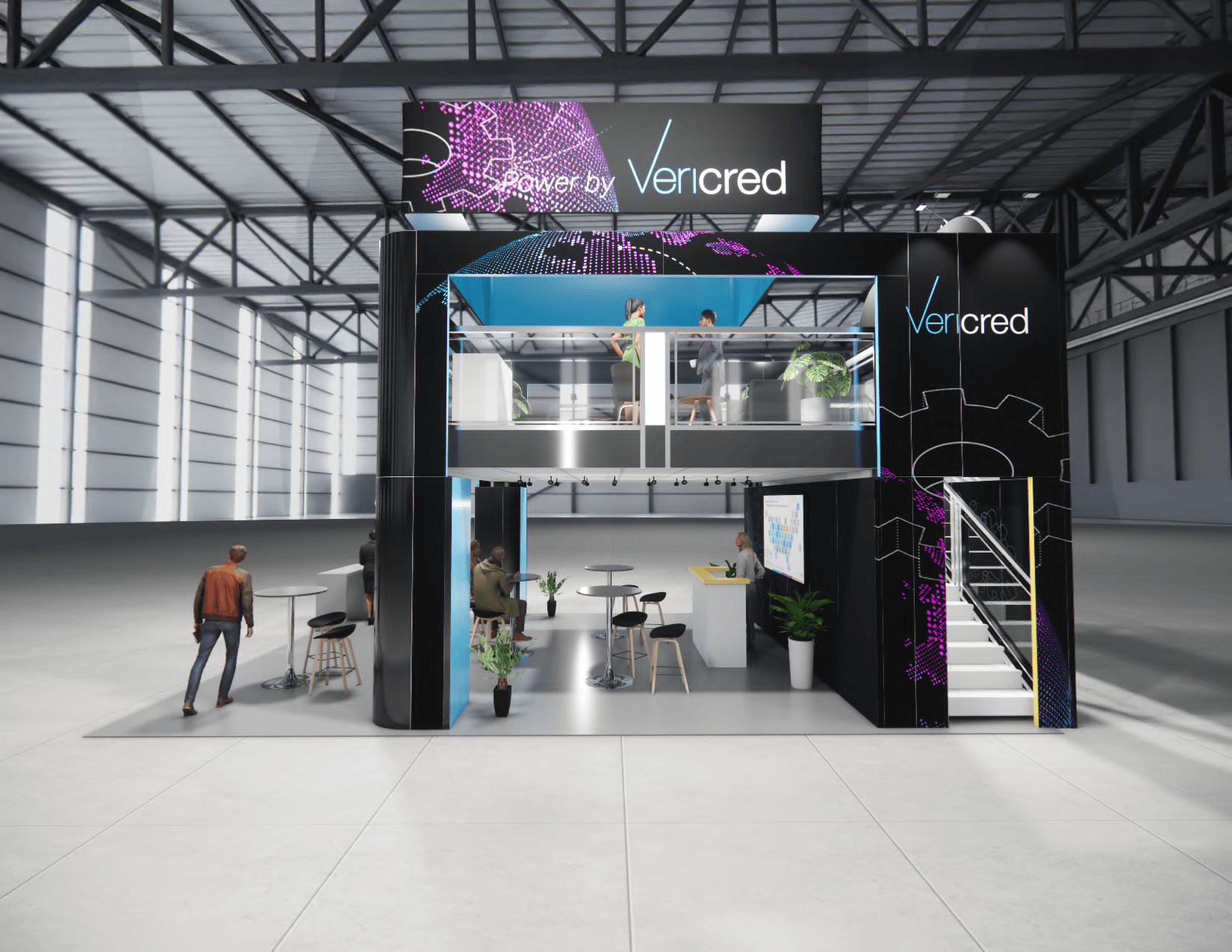
Pharma
Pharma brands, biotech, and life-science companies
Manufacturing
Industrial, machinery, and equipment manufacturers
Food & Beverage
Food brands, beverage companies, and hospitality suppliers
Consumer Products
Retail, CPG, and lifestyle brands
Aerospace & Defense
Aerospace, defense, and government contractors
Education & Government
Universities, agencies, and public-sector organizations
Your Industry Changes the Booth More Than Your Budget Does
Two companies can buy the same 20x20 island at the same Las Vegas show and need completely different exhibits. A medical device manufacturer needs private space for a clinical conversation and a demo surface that reads as sterile. A consumer products brand needs the opposite — maximum openness, product within arm's reach, and enough visual noise to stop someone mid-aisle.
The footprint is a constraint. The industry is the brief. Below is how we approach each sector we build for in Las Vegas, and what tends to separate the booths that generate qualified conversations from the ones that generate badge scans nobody follows up.
Technology and Consumer Electronics
Las Vegas is the centre of the technology exhibition calendar, and technology floors are the most visually aggressive floors in the world. Everyone has a screen. Everyone has motion. The result is that a technology booth cannot win on brightness alone — it wins on clarity.
The pattern that works: a single clear proposition readable from the aisle, a live demonstration that proves it, and somewhere private to have the follow-up conversation. LED is expected. What differentiates is whether the content on the LED is a brand loop or a live product demonstration.
Healthcare and Medical Devices
Healthcare exhibitors sell to clinicians and procurement committees, and the conversation is clinical before it is commercial. The booth needs to support a genuine demonstration — a device operating, a workflow shown, a clinical scenario walked through — in conditions that read as professional rather than theatrical.
Private meeting space is close to mandatory. Healthcare procurement conversations involve pricing, compliance, integration and sometimes patient data, and they do not happen in an open aisle. Semi-enclosed or fully enclosed meeting areas are standard for any healthcare exhibitor above a 10x10.
Pharmaceutical and Biotech
Pharma booths are regulated environments. What you can say, what you can show, and how you can say it are all constrained by compliance review, and the booth design has to accommodate that rather than fight it. Graphics go through legal. Claims are precise. The result is that pharma booths tend to be cleaner and more restrained than other industries, and the design challenge is making restraint look intentional rather than empty.
Presentation theatres are common at pharma shows — scheduled sessions with seating, screen and audio that draw traffic on a programme rather than by aisle capture.
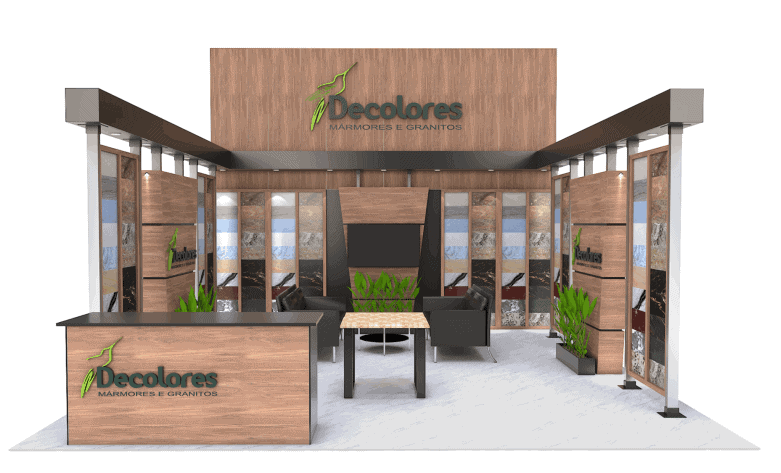
Manufacturing and Industrial
Manufacturing exhibitors bring equipment. Sometimes large equipment. The booth is built around the machine rather than the other way around, and that changes the design sequence — you start with the footprint of the equipment, the power it needs, the floor loading it creates, and the safe operating zone around it, then you build the booth structure to frame and present it.
Live demonstration is expected and it is the single highest-performing element on a manufacturing floor. A machine running at speed draws a crowd that no graphic can match.
Food, Beverage and Hospitality
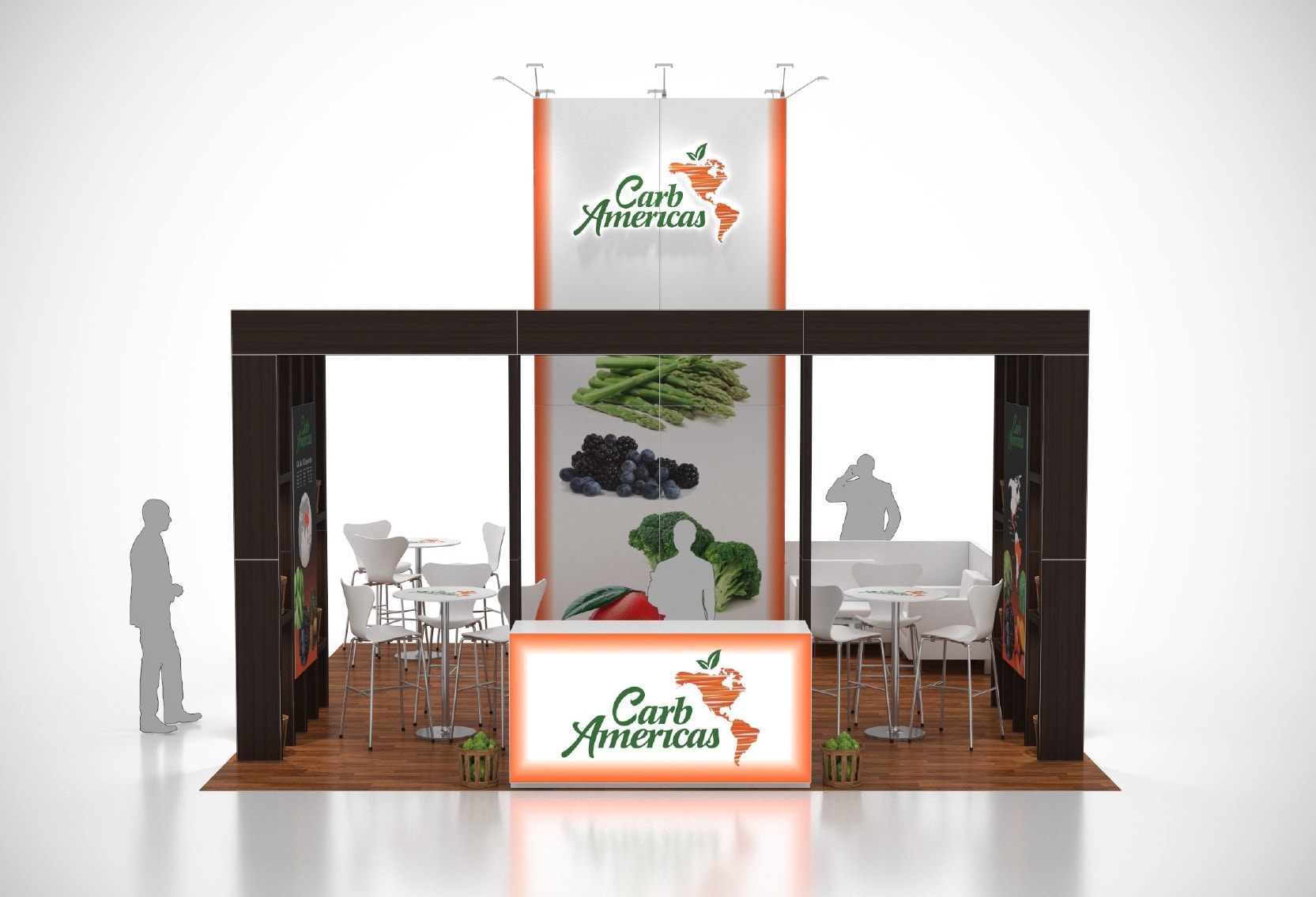
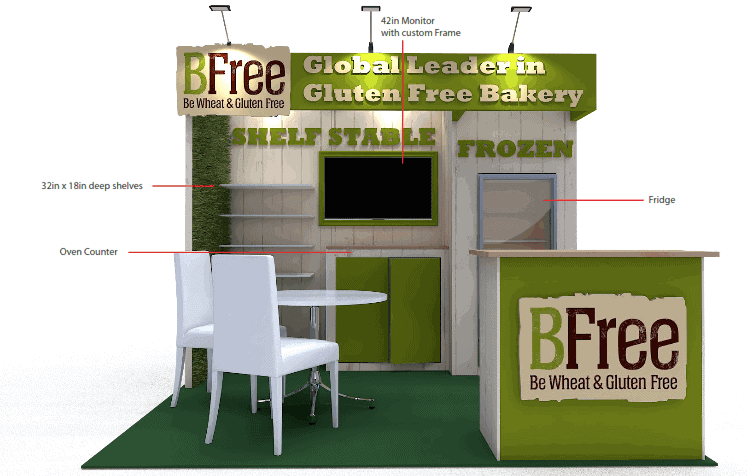
Food and beverage exhibitors sample. Sampling creates queues, queues create visibility, and visibility creates more queues. The design challenge is managing that cycle — positioning sampling so the queue forms inside your footprint rather than blocking the aisle, providing enough counter and prep surface to keep the line moving, and building in refrigeration, waste handling and health-compliant surfaces from the start rather than adding them on.
For beverage exhibitors, the booth is often literally a bar. Building it as one — proper back bar, service surface, hospitality lighting, quality materials — dramatically outperforms a conventional exhibit structure with a sampling table in front of it.
Automotive and Specialty Equipment
Automotive exhibitors display vehicles, and a vehicle is a structural problem before it is a design problem. Platform load rating, ramp or lift access planned against the venue's freight route, and a build sequence that gets the vehicle in after the structure is standing all need engineering rather than improvisation.
The visual competition on automotive floors is extreme and product-led. Booths compete against physically dramatic objects, which means restraint in the structure often works better than adding to the noise — let the vehicle be the spectacle and build a frame that presents it well.
Consumer Products and Retail
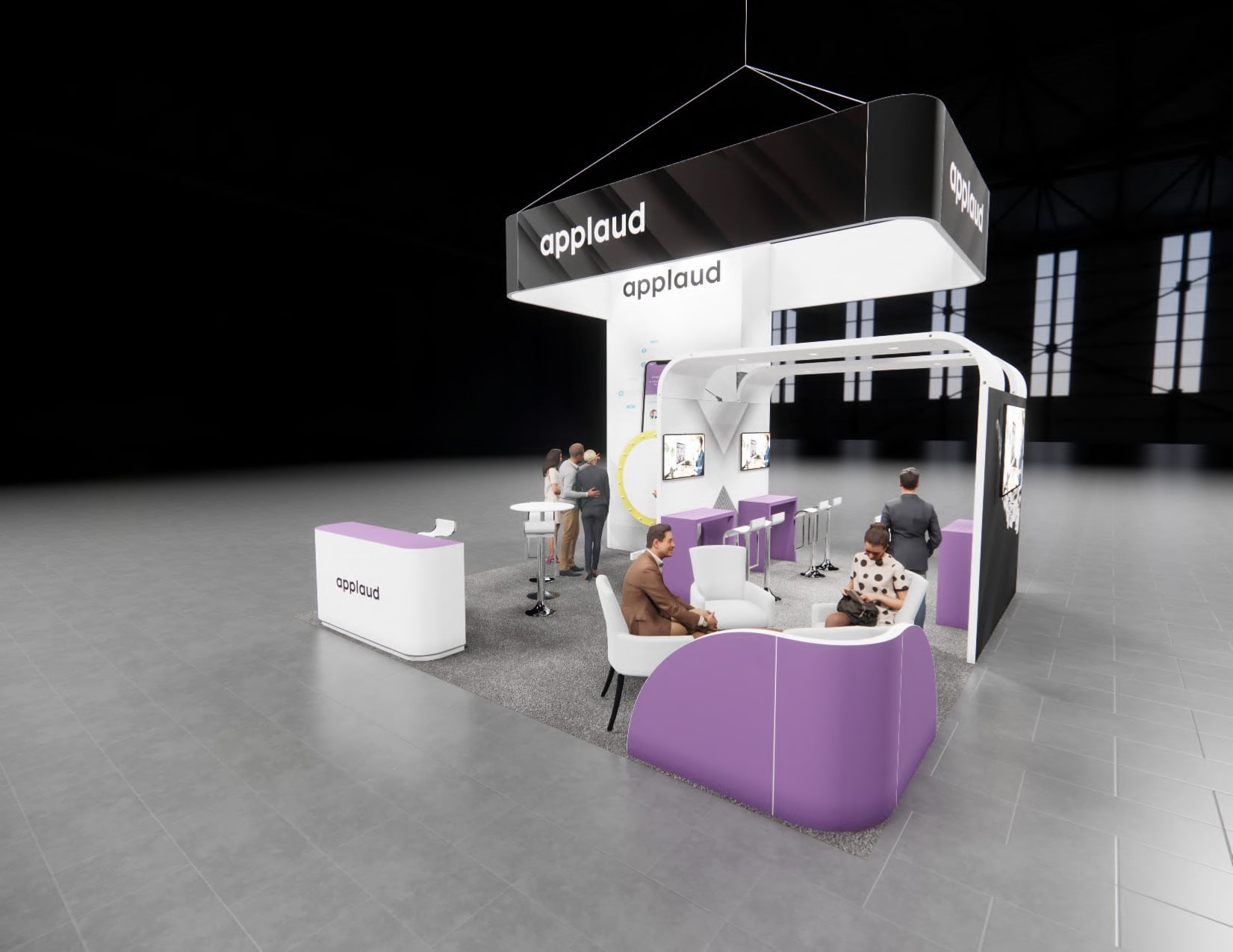
Consumer product exhibitors are merchandising, not exhibiting. The booth is a temporary retail environment and it should be built the way a good store is built — product reachable, browsable and organized by story rather than stacked by SKU. Racking, shelving, hanging systems and display fixtures carry more design weight than architecture.
Lighting is the highest-leverage element. Product photographs and sells under good light and dies under bad light. This is the sector where lighting budget most directly converts into revenue.
Aerospace and Defense
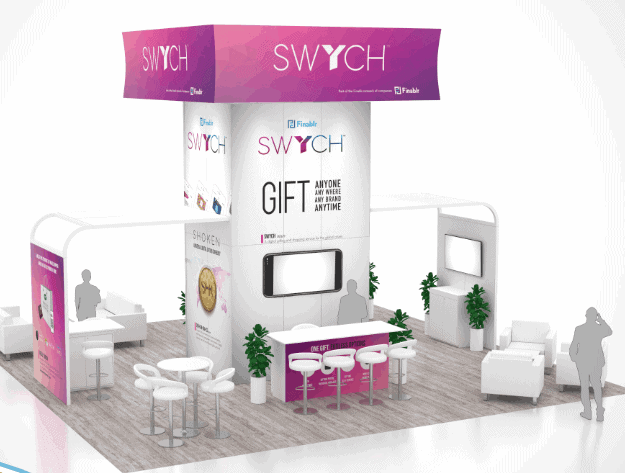
Aerospace exhibitors display complex systems to a technically sophisticated audience that evaluates capability rather than aesthetics. Models, cutaways, interactive system demonstrations and private briefing space are the working elements. Security considerations sometimes apply — restricted areas within the booth for classified or export-controlled material are not unusual.
Education and Government
Education and government exhibitors typically operate under procurement constraints that limit budget and require competitive bidding. The design brief is credibility and clarity on a controlled budget — clean, professional, well-organized and clearly messaged without excess. Modular rental is particularly well-suited because it delivers a professional result without the capital expenditure of ownership.
We Build for Your Industry, Not Ours
The exhibit industry has a tendency to build what exhibit companies like to build rather than what exhibitors need. We start from your industry, your audience, and what actually generates qualified conversations on your specific show floor — then we build backward from that into a structure.
Call (702) 819-0122 and tell us your industry, your show and your objectives. We will tell you what works on that floor and what does not.